Problem Diagnosis, Soil Health & Seasonal Recovery
Solving Shaded Mountain Lawn Thinning Under Tall Pine Canopies
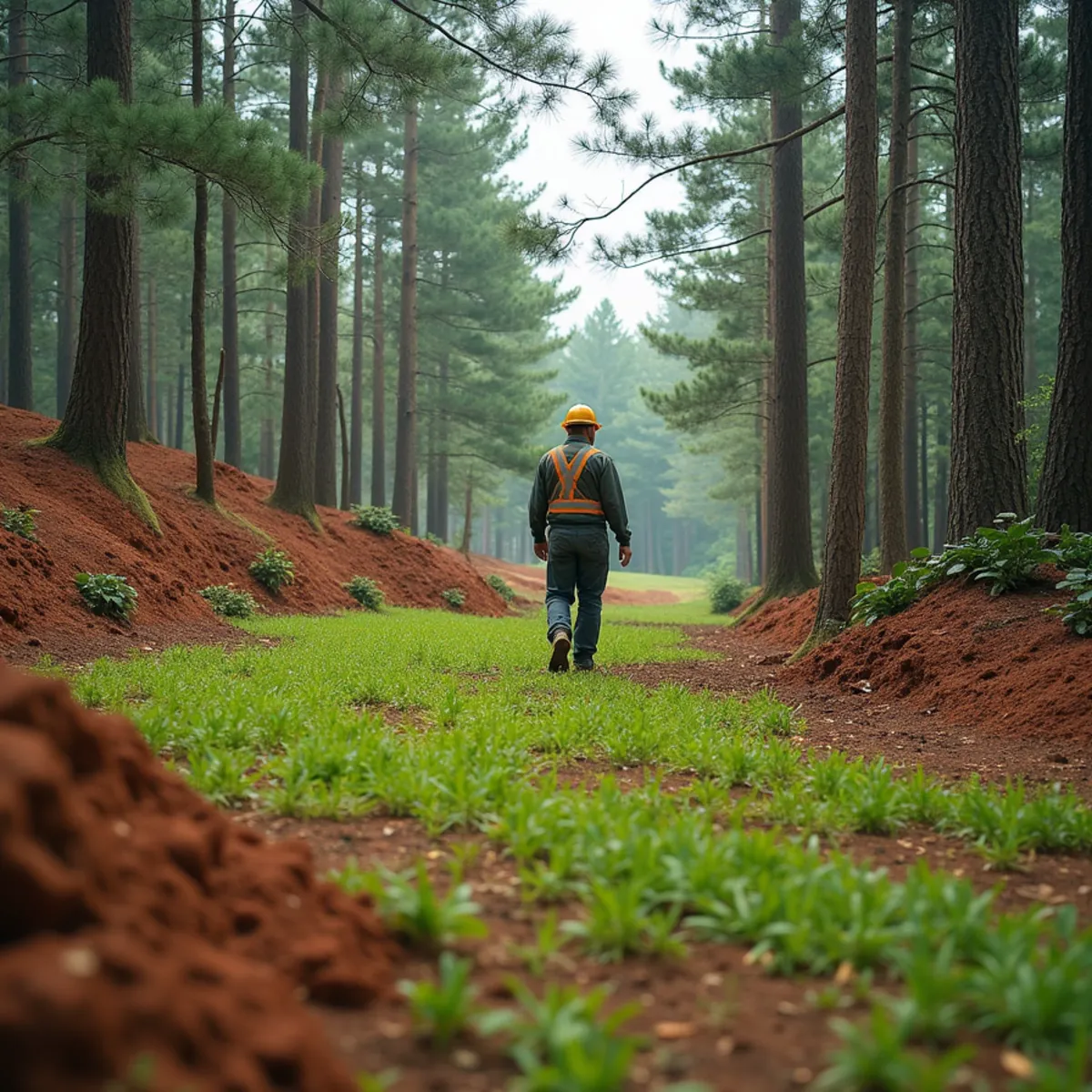
The Triple Challenge: Dense Shade, Pine Needle Acidity & Tree Root Thirst
A mountain lawn thins under pine canopy because of three compounding problems at once: too little light for turf to photosynthesize, acidic soil chemistry from decades of needle drop, and aggressive pine roots outcompeting grass for water. Fixing it usually means selective canopy thinning, a shade-tolerant sod like Zeon Zoysia, or converting the area into native shade beds.
Walk any wooded lot along the ridgelines around Clarkesville or Sautee Nacoochee and you will find the same struggling lawn pattern: thin, patchy turf fading to bare red clay under a stand of white pine and shortleaf pine. Three forces compound against grass here at once, and none of them show up on a bag of fertilizer label.
The first is light. A mature pine canopy at 60 to 90 feet blocks 70 percent or more of direct sun, dropping usable daylight for turf below the four-hour minimum most warm-season grasses need to photosynthesize and build root reserves.
The second is chemistry. Decades of shed pine needles lower soil pH into the 4.8 to 5.4 range as they break down, well below the 6.0 to 6.5 sweet spot turfgrass wants, and tie up phosphorus and micronutrients grass roots need to establish.
The third is competition underground. Pine roots are shallow, fibrous, and aggressive, and they will out-compete a lawn for every drop of water in a July dry spell, leaving grass wilted while the pines barely notice.
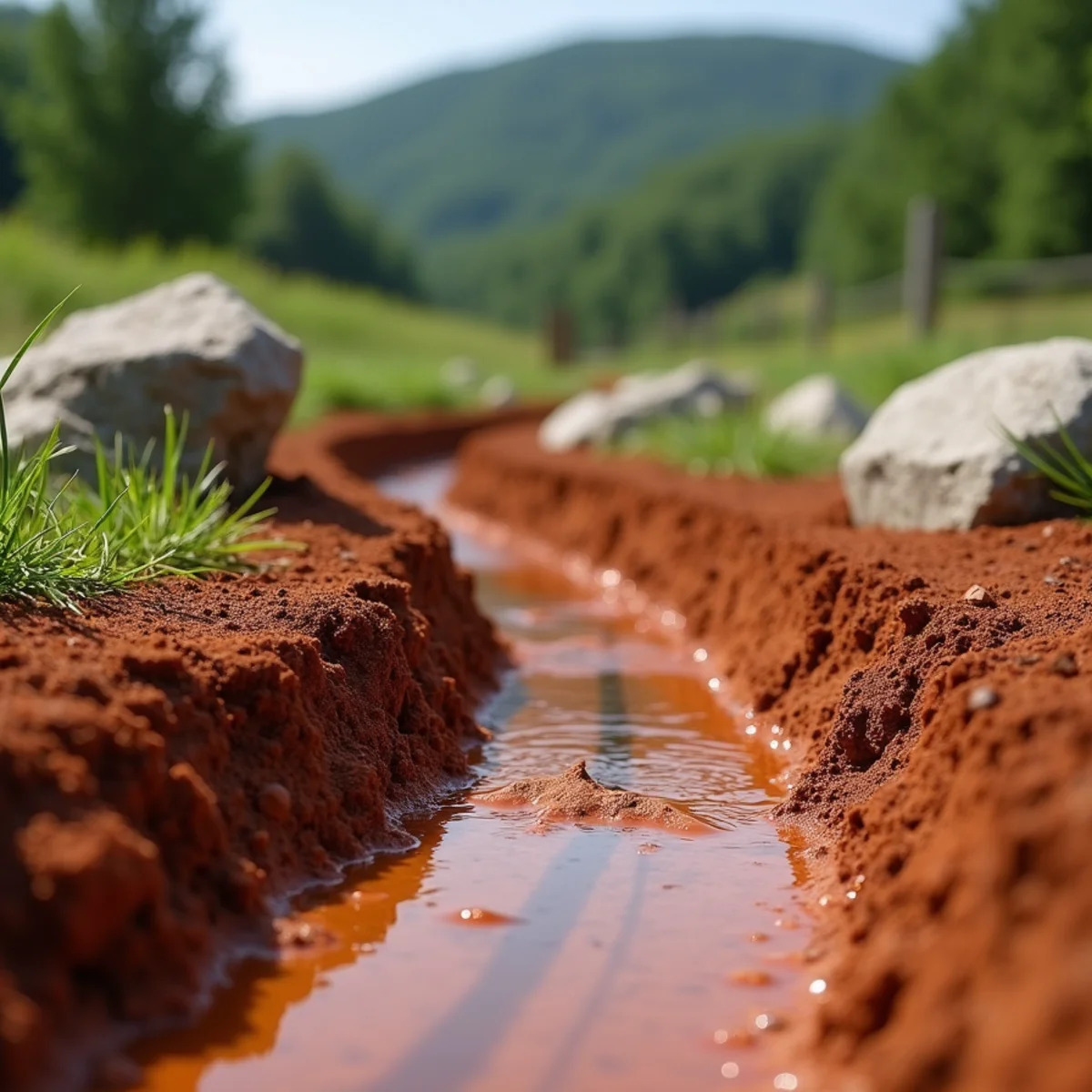
Stack all three together on a graded lot around Clarkesville and you get a predictable pattern year after year: turf comes in fine the first spring after sod goes down, thins by the second summer, and by the third year the homeowner is looking at bare clay, exposed surface roots, and a mud problem every time it rains.
A quick sun-mapping exercise settles the diagnosis before we recommend anything. We track how light actually moves across the yard over a full day in the growing season, since a spot that reads shaded at noon can still pick up two or three usable hours of low morning or afternoon sun that changes which grass or groundcover will realistically survive there.
Why Warm-Season Bermuda Dies in Forested Lots
Bermuda is the default sod choice across most of North Georgia because it tolerates heat, drought, and foot traffic, but it is built for full sun and fails almost every test a forested mountain lot throws at it.
Below 6 hours of direct sun, Bermuda stolons stretch thin trying to reach light, blade density drops, and the stand thins into bare soil within two growing seasons.
Thin, stressed Bermuda in shade is also far more susceptible to large patch fungus and dollar spot, both of which thrive in the cool, damp microclimate under a pine canopy.
The end result on hillside lots around Helen and Sautee Nacoochee is a lawn that washes out in the first hard summer thunderstorm because there is no living root mass left to hold the red clay in place.
Centipede grass, sometimes recommended as a lower-maintenance alternative, fares only marginally better. It tolerates more shade than Bermuda but still wants at least five to six hours of sun and struggles with the same acidic needle-drop soil chemistry, so switching sod types alone rarely fixes a truly forested lot.
Canopy Thinning to Bring Sunlight
Selective canopy thinning, not clear-cutting, is the first real fix. Removing 20 to 30 percent of crown density and limbing lower branches up to 12 to 15 feet opens dappled light to the ground without exposing the hillside to erosion or wind-throw.
This is arborist work, not a weekend chainsaw project. Our estate grounds maintenance and pruning crews use pole saws, rigging, and bucket trucks to remove targeted limbs and thin crowns from the top down, keeping the tree's structural integrity intact.
Topping a pine to let in more light is one of the worst mistakes we see on mountain properties. It weakens the trunk, invites pine bark beetle infestation, and often kills the tree within a few years.
Timing the thinning also matters for the turf underneath. We schedule most canopy work for late winter, before spring green-up, so newly exposed soil and any struggling turf get a full growing season of improved light before the next dormant period rather than being opened up mid-summer when heat stress is already working against the lawn.
In Habersham County, any tree work near a right-of-way or protected buffer should account for local ordinances before cutting begins, which is part of why we walk the site with the homeowner first.
We typically stage thinning in two passes rather than one aggressive cut. The first pass removes obvious deadwood, crossing limbs, and the lowest branch tier, then we let the lawn respond for a season before deciding whether a second pass is needed to hit the sun target the turf actually requires.
Alternative Landscaping: Ferns, Hostas, Pine Straw & Flagstone
Sometimes the honest answer is that turf was never the right plant for that spot. Native Christmas fern, hosta, and epimedium all thrive in the acidic, shaded soil under a pine stand and need none of the sun grass requires.
Layering in native mountain rhododendron plantings along the shaded edge gives the understory structure and seasonal bloom while tolerating the same low-light, acidic conditions that kill turf.
A bed of pine straw mulch under the drip line eliminates the mowing problem entirely, suppresses weeds, and actually benefits from the acidity instead of fighting it.
Flagstone stepping paths through these shaded beds keep foot traffic off the root zone and give the space a finished look without asking grass to grow where it physically cannot.
We design these shade beds in tiers, taller rhododendron and mountain laurel at the back near the tree line, mid-height fern and hosta in the middle, and a low groundcover like liriope or vinca at the bed edge, so the transition from forest to open yard reads as intentional rather than as a spot where the lawn simply gave up.
Zeon Zoysia Shade Tolerance
For homeowners who still want a lawn, not just a bed, Zeon Zoysia is the most shade-tolerant warm-season sod available in North Georgia, holding a stand in as little as four hours of filtered sun.
Its fine blade and slow vertical growth also mean fewer mowing cycles, which matters on a sloped lot where mowing itself is a hazard.
Success still depends on prep: a soil test, dolomitic lime to correct the pH, and selective root pruning or trenching to cut back competing pine roots before sod goes down.
Skip that prep and even Zeon will fail the same way Bermuda did, just more slowly.
We also recommend raising the mower height on shaded Zeon Zoysia compared to a full-sun installation, since a taller blade captures more of the limited available light and keeps the stand denser through the shoulder seasons when light angles drop even further under the canopy.
Fertility management shifts too. Shaded Zoysia needs roughly half the nitrogen a full-sun stand would get, since pushing top growth in low light produces thin, weak blades that fall over rather than the dense turf a homeowner is expecting, so we scale back feeding schedules specifically for these installations.
- Soil test to confirm current pH and nutrient levels before any sod goes down
- Dolomitic lime application to correct acidic, pine-needle-driven soil pH
- Selective root pruning or trenching to cut back competing pine roots
- Raised mower height compared to a full-sun Zoysia lawn to capture more limited light
- Reduced nitrogen feeding schedule, roughly half of a full-sun program
Transform Your Shaded Mountain Yard
A shaded mountain lawn is not a lost cause, it is a diagnosis problem. We walk properties in Clarkesville, Sautee Nacoochee, and Helen every month to figure out whether the fix is canopy thinning, a shade-tolerant sod, or a redesign into native shade beds.
Call (323) 606-0255 for an on-site evaluation of your canopy density and soil pH before you spend another season reseeding bare ground.
Frequently Asked Questions
- Not when it is done correctly. Removing 20 to 30 percent of crown density and limbing lower branches is standard arborist practice that improves light and airflow without harming the tree. Topping or removing too much crown at once is what causes decline.
Get Expert Help on Your North Georgia Property
Kipps Kustom Landscapes has spent 15+ years solving exactly these challenges across the Blue Ridge foothills. Call for a free on-site estimate.
Call (323) 606-0255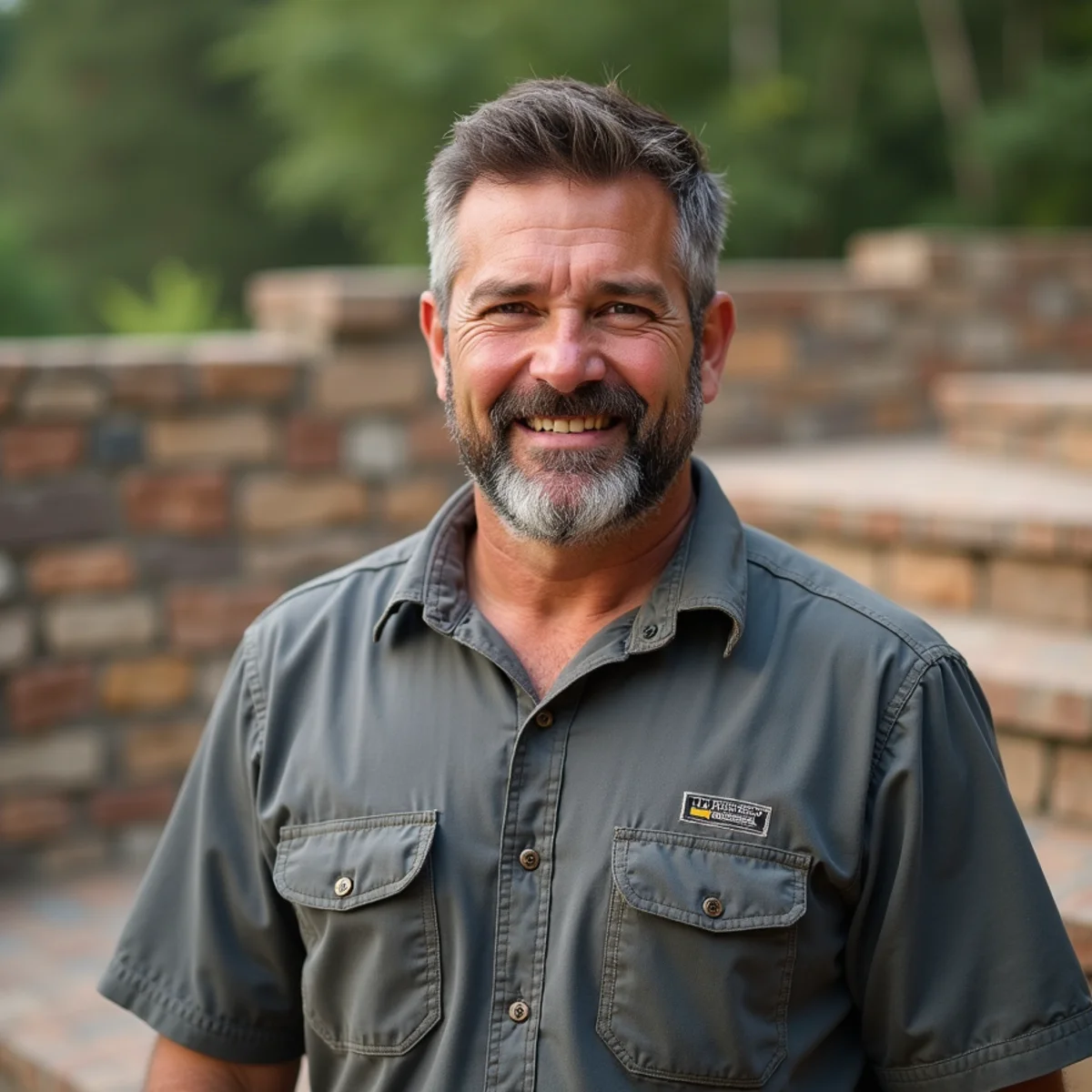
Written by
Hunter Kipps — Owner & Lead Craftsman
Hunter Kipps has spent 15+ years building and repairing mountain and lakefront landscapes across Northeast Georgia — boulder retaining walls, shoreline riprap, red-clay drainage, and estate stonework. He personally runs the heavy equipment and walks every site before quoting it.