Cost, Estimates & Pricing Guides
Cost Guide: Zeon Zoysia vs Fescue Sod in Georgia Red Clay
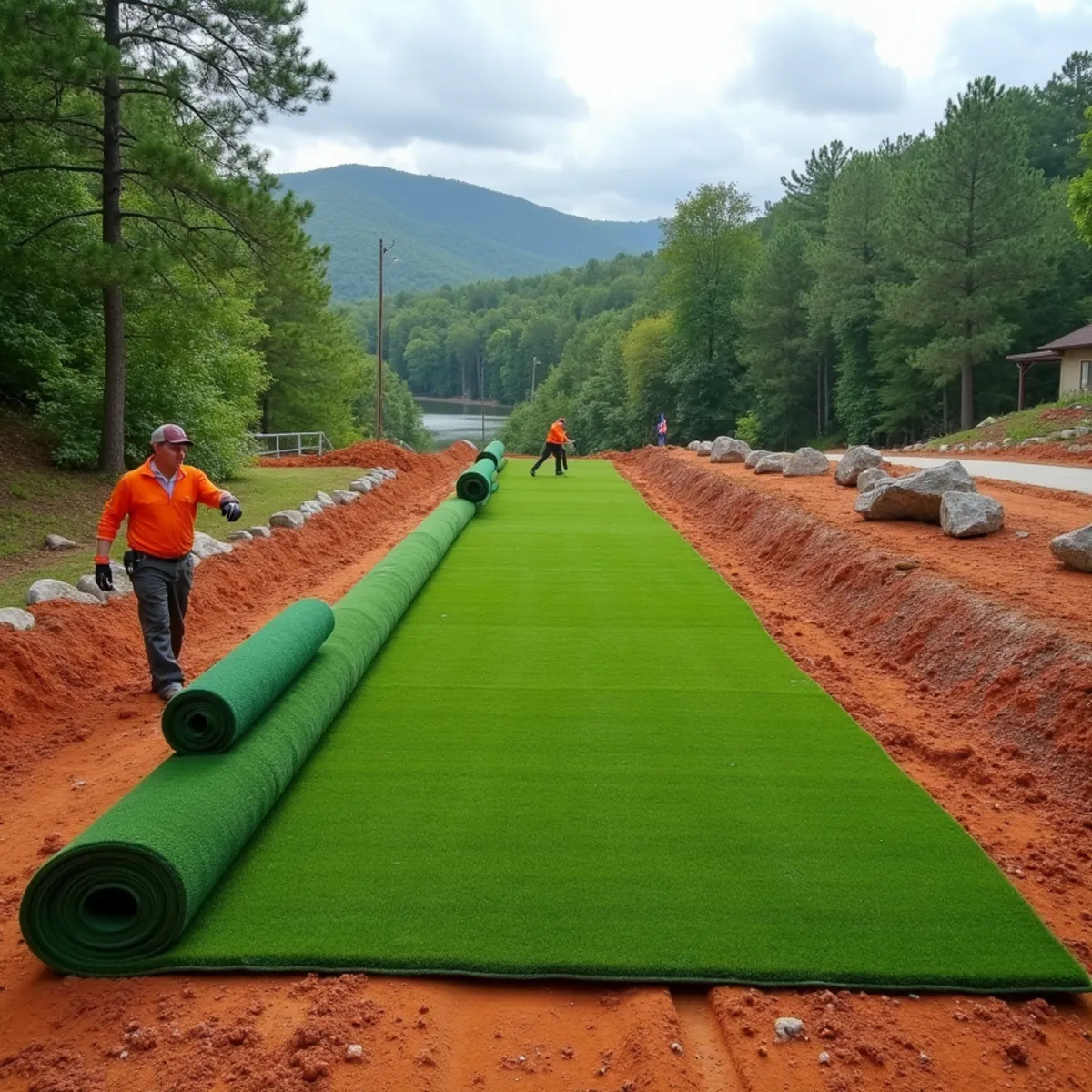
Upfront Pallet Pricing: Zeon Zoysia vs Tall Fescue
On a per-pallet basis, Zeon zoysia sod typically carries a higher purchase price than tall fescue sod, reflecting the longer grow-out time zoysia farms require and its slower-spreading, finer-bladed characteristics. Fescue sod is grown and harvested faster, which generally keeps its per-pallet cost lower, and that upfront gap is the number most homeowners fixate on first.
That said, pallet price is only one line item in a full installation. Coverage per pallet, delivery distance into the mountains, and how much grading and soil correction the site needs before sod can even be laid all affect the installed total more than the sod species price tag alone. As with any material cost, treat pallet pricing as a directional range that shifts with season and regional supply rather than a fixed number.
A standard pallet of sod, whether zoysia or fescue, typically covers somewhere around 450 to 500 square feet, so total pallet count for a given project depends on square footage far more than species. Grow-out time on the sod farm also differs meaningfully: Zeon zoysia is commonly grown for well over a year before harvest because of its slower spreading rate, while tall fescue sod can often be ready for harvest within a single growing season, which is reflected in the price difference at the pallet level.
Soil Prep Costs: Lime Application and Red Clay Tilling
Neither sod type performs well laid directly onto compacted, untreated red clay. Georgia's Cecil and Pacolet clay soils run naturally acidic, often in the 4.5 to 5.5 pH range, well below the 6.0 to 6.5 range most turfgrasses need to take up nutrients efficiently. A soil test followed by agricultural lime application, tilled into the top several inches of clay, is standard prep for either grass type before sod goes down.
Fescue is somewhat more forgiving of shallow, imperfect prep because its root system establishes quickly from seed or sod alike. Zoysia, and Zeon zoysia specifically, rewards deeper soil correction and proper grading because it spreads by rhizomes and stolons over time and fills in thin spots on its own once established - but only if the clay beneath it has been broken up enough to let roots penetrate rather than sitting on a compacted crust.
This is where our soil remediation and sod installation process matters most: skipping lime and tilling to save money up front routinely costs more later in patchy, chlorotic turf that needs correction anyway.
Tilling to a depth of 4 to 6 inches is typical ahead of either sod type, which is deep enough to break up the compacted crust that commonly forms on graded building lots without disturbing so much soil structure that the site becomes unstable on a slope. Lime application rates depend entirely on soil test results rather than a blanket number, since Cecil and Pacolet clay can vary meaningfully in starting pH even between two lots on the same street, and over-applying lime is just as capable of causing nutrient lockout as under-applying it.
Sunlight vs Shade Requirements on Mountain Lots
Zeon zoysia needs a solid 6 or more hours of direct sun to thrive and will thin out in heavier shade, which matters a great deal on wooded mountain lots around Cornelia where hardwood canopy shifts sun exposure across a yard through the seasons. Tall fescue, particularly turf-type tall fescue blends, tolerates moderate shade considerably better and is often the more realistic choice under mature oak and hickory cover.
Before recommending a species, we walk the lot at the time of year installation is planned and account for how tree canopy will change sun exposure through summer versus winter. A yard that looks fully shaded in July can receive very different light in early spring before leaf-out, which affects long-term zoysia performance more than a quick site visit alone would suggest.
Where a lot sits at the edge of the shade threshold, a turf-type tall fescue blend bred for shade tolerance is often the safer long-term choice than pushing Zeon zoysia into borderline light conditions, since a zoysia lawn that is thinning from insufficient sun will not fill back in the way it would if the real problem were drought or traffic wear instead. We factor canopy density, tree species, and aspect - which direction the slope faces - into this recommendation rather than relying on a simple sun-hours estimate alone.
Water & Fertilizer Requirements in Summer Mountain Heat
Once established, Zeon zoysia is notably drought tolerant and requires less supplemental irrigation and less frequent mowing than fescue through a North Georgia summer, which lowers its ongoing maintenance cost over time. Fescue, a cool-season grass, tends to stress and thin during July and August heat spikes and often needs supplemental watering to avoid dormancy or dieback during dry stretches around Demorest and the surrounding foothills.
Fertilizer timing also differs: fescue benefits from fall-weighted feeding aligned with its cool-season growth cycle, while zoysia responds best to late spring and summer applications timed to its warm-season active growth. Getting this timing wrong is a common reason homeowners feel like they are fighting their lawn rather than maintaining it.
Mowing height differs between the two as well and affects both appearance and drought resilience. Tall fescue is typically mowed in the 3 to 4 inch range, with the taller cutting height helping shade the soil and reduce moisture loss, while Zeon zoysia is a finer-textured turf usually maintained shorter, often in the 1.5 to 2.5 inch range depending on whether a reel or rotary mower is used. Cutting either grass too short stresses the plant and increases both water demand and weed pressure.
10-Year Maintenance ROI in Habersham County
Run the comparison over a decade rather than a single season and the picture often flips from the initial pallet price. Zeon zoysia's lower water demand, slower vertical growth, self-repairing rhizome spread, and strong resistance to Habersham County's summer heat and drought stress typically add up to lower cumulative maintenance cost despite the higher installed price.
Fescue requires annual or biannual overseeding to stay dense, since it does not spread laterally the way zoysia does and thins naturally over time, particularly in high-traffic areas. For homeowners planning to stay in a property long term, that recurring overseeding cost is worth weighing seriously against zoysia's higher entry price.
Thatch management is another long-run difference worth budgeting for. Zeon zoysia's dense rhizome and stolon growth can build a thatch layer over years that benefits from periodic dethatching or aggressive core aeration to prevent it from insulating the crown from water and nutrients, while fescue, as a bunch-type grower reseeded regularly, rarely develops the same thatch buildup. Neither maintenance task is expensive on its own, but both should be part of a realistic decade-long cost comparison rather than assuming either grass is maintenance-free.
Traffic Tolerance and Recovery from Wear
Zeon zoysia's rhizome and stolon spread gives it a real advantage in self-repairing after foot traffic, pet use, or light equipment wear, since the grass can fill back into a bare or thinned area laterally over a growing season without reseeding. Tall fescue is a bunch-type grass that does not spread the same way, so a worn or bare patch in a fescue lawn generally stays bare until it is overseeded, which is part of why fescue lawns are typically overseeded annually in early fall as routine maintenance rather than only after visible damage.
For households with kids, dogs, or a lawn used heavily for outdoor entertaining, this difference in recovery behavior is often a bigger practical factor than either the pallet price or the water bill, since a zoysia lawn under moderate traffic tends to stay visually consistent longer between maintenance cycles than a fescue lawn under the same use.
What Professional Sod Installation Actually Involves
Proper installation starts with grading the site to the correct finished slope for drainage away from the foundation, followed by tilling, lime and starter fertilizer incorporation, and fine raking to remove clods and debris before the first roll of sod is laid. On properties where sod is going in alongside broader grading, terracing, or planting work, we scope it as part of a full mountain landscape design-build rather than a standalone sod delivery. Sod is laid in a staggered, brick-like pattern with tight seams and no overlapping edges, then rolled with a water-filled lawn roller to press the roots into firm contact with the soil beneath, which is the single most important factor in how quickly either grass establishes.
The first 30 days after installation are the most vulnerable window for either species. New sod typically needs daily or near-daily watering during the first one to two weeks to keep the root zone consistently moist without becoming waterlogged, then a gradual transition to deeper, less frequent watering as roots knit into the native soil. Mowing should not begin until the sod has rooted firmly enough that a gentle tug does not lift it, which is usually two to three weeks after installation depending on weather and season.
- Grade the site to the correct finished slope for drainage away from the foundation
- Till and incorporate lime and starter fertilizer per soil test results
- Fine-rake to remove clods and debris before the first roll goes down
- Lay sod in a staggered, brick-like pattern with tight, non-overlapping seams
- Roll with a water-filled lawn roller to press roots into firm soil contact
- Water daily for the first one to two weeks, then taper to deeper, less frequent watering
Get a Professional Sod Installation Quote
The right sod choice depends on your specific lot: sun exposure, existing soil condition, drainage, and how the property will be used. We evaluate all of that during a site visit rather than recommending one grass type as a blanket answer.
Call (323) 606-0255 to schedule a soil test and sod consultation for your property. We install both Zeon zoysia and turf-type tall fescue across Habersham County, with regular projects around Clarkesville and the surrounding foothill towns.
Frequently Asked Questions
- Tall fescue generally tolerates shade better than Zeon zoysia, which needs at least 6 hours of direct sun to thrive. On wooded lots with heavy canopy, fescue is usually the more realistic choice.
Get Expert Help on Your North Georgia Property
Kipps Kustom Landscapes has spent 15+ years solving exactly these challenges across the Blue Ridge foothills. Call for a free on-site estimate.
Call (323) 606-0255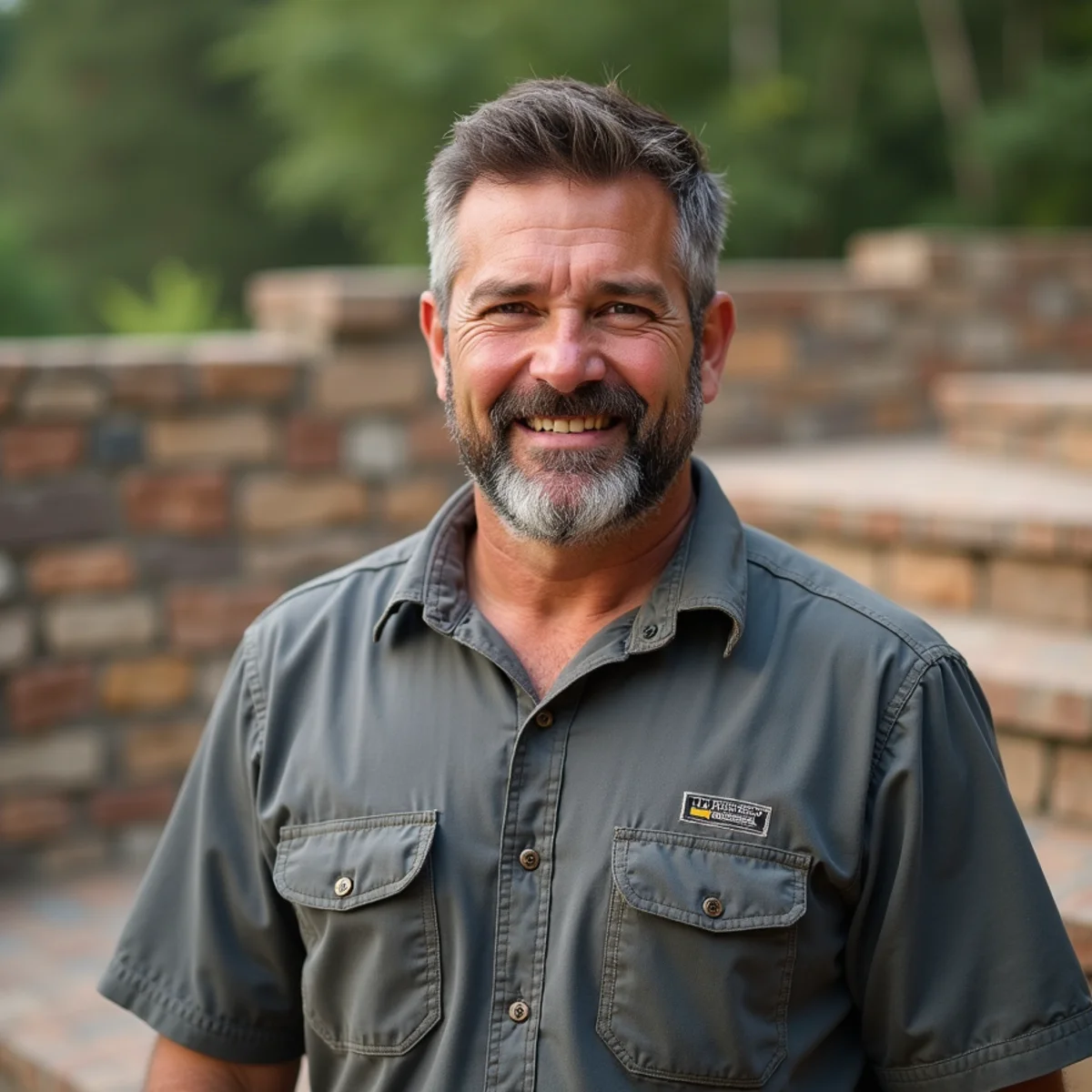
Written by
Hunter Kipps — Owner & Lead Craftsman
Hunter Kipps has spent 15+ years building and repairing mountain and lakefront landscapes across Northeast Georgia — boulder retaining walls, shoreline riprap, red-clay drainage, and estate stonework. He personally runs the heavy equipment and walks every site before quoting it.