Problem Diagnosis, Soil Health & Seasonal Recovery
Best Native Plants for North Georgia Mountain Yards
Why Native Plants Outperform Imported Ornamentals Here
Native plants for North Georgia mountain yards, including Catawba rhododendron, mountain laurel, oakleaf hydrangea, and little bluestem, outperform imported ornamentals because they evolved with the same acidic red clay, drought-flood swings, and deer pressure the region actually has. They need less irrigation, less soil amendment, and less deer protection once established.
Every ornamental catalog is full of plants bred for milder, more uniform climates, consistent rainfall, neutral soil, minimal browsing pressure, none of which describes a mountain lot around Clarkesville or Sautee Nacoochee. A plant selected from a national nursery chain catalog without regard for local conditions is starting a fight it is likely to lose within a few seasons.
Native species spent thousands of years adapting to this exact combination of acidic clay, dramatic elevation-driven microclimates, summer thunderstorm bursts followed by dry stretches, and heavy deer populations. That adaptation shows up as lower maintenance, not just a marketing claim.
Understory Trees & Shrubs: Rhododendron, Mountain Laurel, Oakleaf Hydrangea
Catawba rhododendron is the signature native shrub of the Blue Ridge foothills, thriving in the acidic, well-drained soil found on shaded slopes and understory positions beneath a hardwood or pine canopy. Its late-spring purple bloom is one of the defining seasonal features of properties around Sautee Nacoochee and Helen.
Mountain laurel grows alongside it in similar conditions but tolerates slightly drier, rockier sites, making it the better choice on a thin-soil slope where rhododendron would struggle without supplemental moisture during establishment.
Oakleaf hydrangea handles more sun exposure than either rhododendron or laurel while still preferring the same acidic soil chemistry, and it adds structure with its distinctive lobed foliage and cone-shaped bloom, plus strong fall color that most broadleaf evergreens do not offer.
We install these as part of a native mountain rhododendron planting design, layering rhododendron and laurel at the shaded edge, oakleaf hydrangea where it picks up more filtered light, and typically stage installation for fall planting so root systems establish through the cooler, wetter months before facing their first real summer stress test.
Groundcover and Perennial Layer: Ferns, Foamflower, and Native Grasses
Christmas fern and foamflower fill the shaded groundcover layer beneath understory shrubs, both tolerating the same acidic, humus-rich soil that develops naturally under a pine or hardwood canopy without requiring the soil amendment a non-native groundcover would need.
In sunnier, open areas, little bluestem and switchgrass are native warm-season grasses that handle North Georgia's summer drought stretches without irrigation once established, and their deep root systems actually help stabilize soil on a moderate slope, a real functional benefit beyond appearance.
Black-eyed Susan and purple coneflower fill the sunny perennial border with reliable summer bloom, minimal deer browsing compared to most ornamental perennials, and self-seed readily enough to fill in a bed over a couple of seasons without constant replanting.
These lower-layer plantings matter as much as the showier shrubs above them, since a design with only understory trees and no groundcover layer leaves bare, erosion-prone soil exposed between the larger plants.
- Christmas fern and foamflower for shaded groundcover beneath rhododendron and laurel
- Little bluestem and switchgrass for sunny slopes needing drought tolerance and root-based erosion control
- Black-eyed Susan and purple coneflower for a low-maintenance sunny perennial border
- Native azalea species for spring color in partial shade with lower water needs than hybrid azaleas
- River oats or inland sea oats for damp, partially shaded low spots near a drainage feature
Deer Resistance: A Real Cost Factor, Not Just a Preference
Deer pressure across Habersham and White counties is genuinely heavy, and a landscape design that ignores it turns into an expensive replanting cycle within the first year or two.
Native mountain laurel and rhododendron carry natural toxins that make them low on the deer browse list, which is part of why they persist in undisturbed mountain forest despite constant deer traffic through the same ground.
Native ferns and ornamental grasses are similarly low-preference for deer, while many popular non-native ornamentals, hostas being the classic example, are essentially a deer buffet and require fencing or repellent to survive in an area with real deer density.
We factor deer pressure into every plant selection on a property, not as an afterthought but as a real cost consideration, since a beautiful planting that gets browsed to stubs by the second week is not actually a functioning landscape design.
Soil Prep: Why Natives Still Need a Correct Start
Native does not mean plant-and-forget, particularly on a lot where topsoil was stripped or compacted during construction, which describes most newer builds around the foothills.
We still pull a soil sample and confirm pH before installing, since even acid-loving natives like rhododendron have a preferred range, generally 4.5 to 6.0, and a site with unusually alkaline construction fill or exposed subsoil may need amendment to get there.
Planting hole prep matters more on compacted clay than the species choice does. We dig planting holes wider than deep, roughen the clay walls of the hole so roots do not simply circle inside a glazed clay bowl, and backfill with a blend that eases the transition between the amended hole and the surrounding native clay rather than creating an abrupt textural boundary roots will not cross.
Mulching with pine straw after installation, covered in more detail in our pine straw vs hardwood mulch comparison, reinforces the acidic soil chemistry these natives already prefer while conserving moisture during the establishment period.
Design a Native Mountain Landscape
We design and install native plant landscapes across Clarkesville, Sautee Nacoochee, and Helen, matched to your specific slope, light, soil pH, and deer pressure rather than a generic nursery plant list.
Call (323) 606-0255 to schedule a site walk and start planning a landscape that actually belongs on this mountain.
Frequently Asked Questions
- Yes, generally. Species like little bluestem, switchgrass, and native azaleas evolved to handle North Georgia's dry stretches without irrigation, though all new plantings need regular watering through their first one to two growing seasons regardless of species.
Get Expert Help on Your North Georgia Property
Kipps Kustom Landscapes has spent 15+ years solving exactly these challenges across the Blue Ridge foothills. Call for a free on-site estimate.
Call (323) 606-0255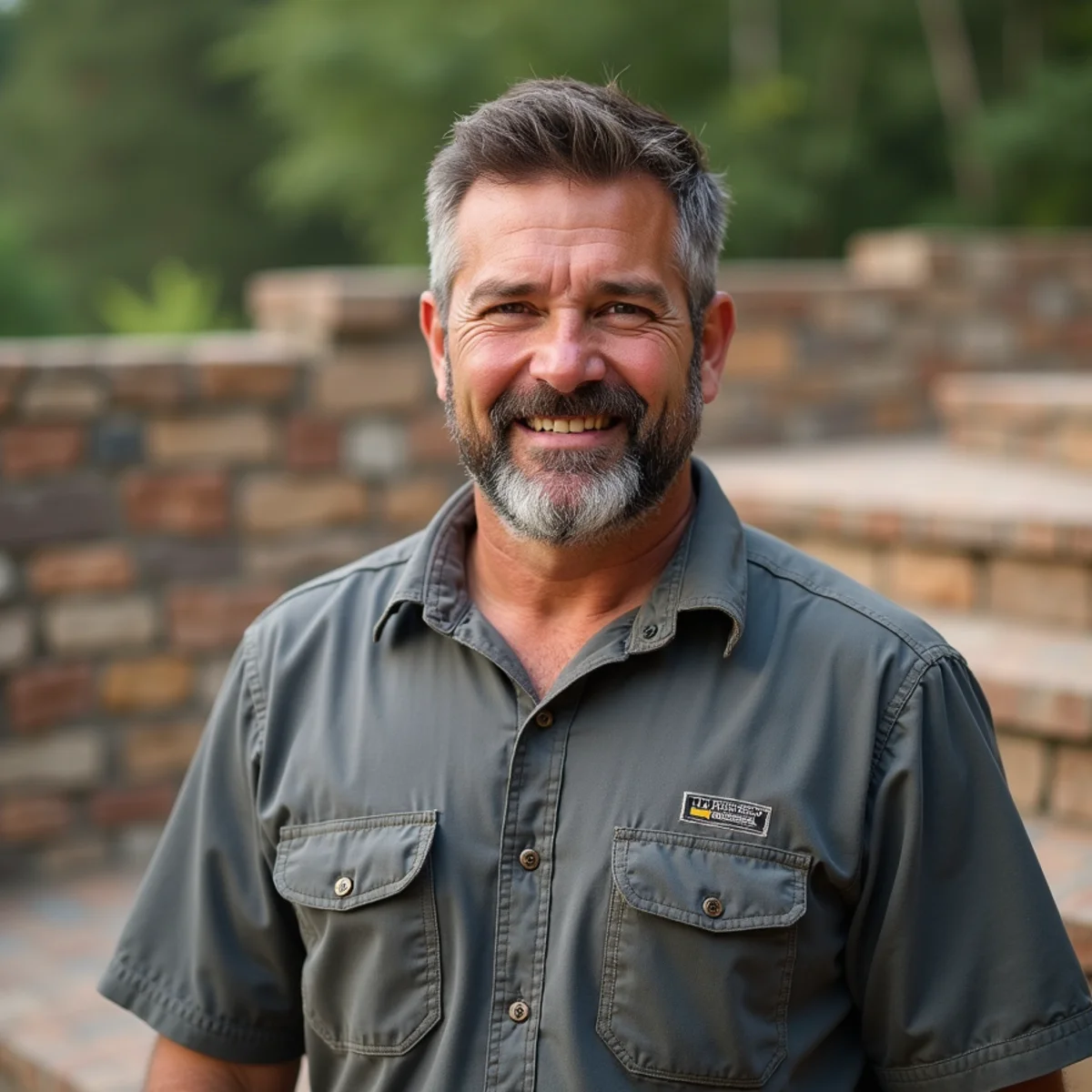
Written by
Hunter Kipps — Owner & Lead Craftsman
Hunter Kipps has spent 15+ years building and repairing mountain and lakefront landscapes across Northeast Georgia — boulder retaining walls, shoreline riprap, red-clay drainage, and estate stonework. He personally runs the heavy equipment and walks every site before quoting it.