Problem Diagnosis, Soil Health & Seasonal Recovery
How to Stop Erosion on a Steep Slope in Georgia
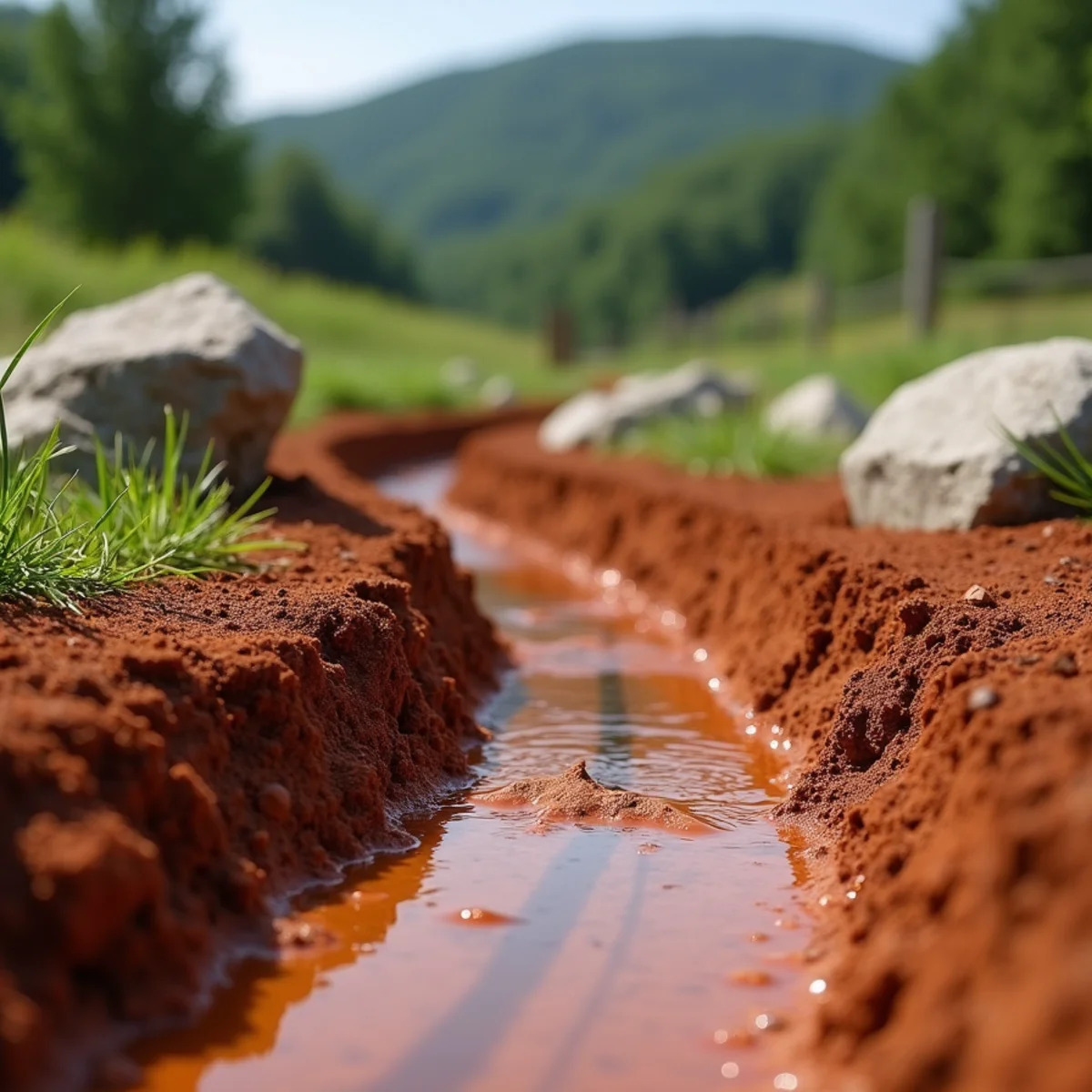
The Real Fix: Divert Water First, Then Hold the Soil
Stopping erosion on a steep North Georgia slope requires diverting concentrated surface water away from the eroding face first, then stabilizing the soil itself with root-based groundcover, terracing, or boulder retaining depending on severity. Treating only the visible gully without addressing where the water is coming from guarantees the problem returns after the next hard rain.
We get called out to eroding slopes constantly around Clarkesville, Cleveland, and Tallulah Falls, and the pattern is almost always the same: a homeowner spreads grass seed or straw over a bare, eroding cut, it washes away in the next storm, and they call us frustrated that a simple fix did not work.
The seed and straw were never going to work because they addressed the symptom, bare soil, rather than the cause, concentrated water with nowhere controlled to go. A slope erodes when water moving across or through it has enough volume and velocity to carry soil particles with it, and no amount of surface treatment survives that if the water volume and path are not addressed first.
Step 1: Diagnose Where the Water Is Actually Coming From
Before any repair work starts, we trace the contributing drainage area, the roof area, driveway, graded lawn, or upslope neighboring property that is feeding water toward the eroding section, because fixing the visible gully without addressing its water source is a temporary patch at best.
A downspout discharging directly onto a slope, a driveway with no curb or swale directing runoff, or a neighbor's grading that concentrates flow onto your property are all common contributing causes we find during a site walk, and each has a different upstream fix before the slope repair itself even begins.
This diagnosis step is also when we identify whether the erosion is a surface flow problem, a subsurface seepage problem, or both, which determines whether the eventual fix needs a dry creek bed, a french drain, or a combined system.
Step 2: Redirect and Slow Concentrated Flow
Once we know where the water is coming from, the next step is giving it a controlled path instead of letting it continue cutting a new one. This often means a graded swale or rock-lined channel positioned above the eroding section, intercepting flow before it ever reaches the vulnerable slope face.
On sites with active gully cutting, our stormwater runoff and gully repair service addresses the channel itself, typically regrading the gully to a stable profile, lining it with appropriately sized rock or riprap, and tying the top of the repair into a properly diverted flow path so the same volume of water is not simply re-concentrated into the newly repaired channel.
Rock check dams, small stacked-stone or riprap barriers set at intervals down a steep channel, slow water velocity in stages rather than trying to stop it all at once, which reduces the erosive energy of the flow by the time it reaches the bottom of the slope.
Step 3: Stabilize the Soil with Root Mass
Living root systems are the most effective long-term erosion control available, because roots physically bind soil particles together in a way that surface mulch or seed alone cannot replicate, especially on a real grade.
Native warm-season grasses like little bluestem and switchgrass develop deep, fibrous root systems specifically suited to this kind of stabilization work, and they tolerate the drought-flood swings North Georgia slopes see through a typical year far better than a standard turf grass mix.
On slopes too steep or shaded for grass to establish, we plant native mountain shrubs like rhododendron and mountain laurel along with ferns and other groundcover species suited to the specific light and soil conditions, since these root systems hold soil just as effectively as grass while tolerating conditions turf cannot.
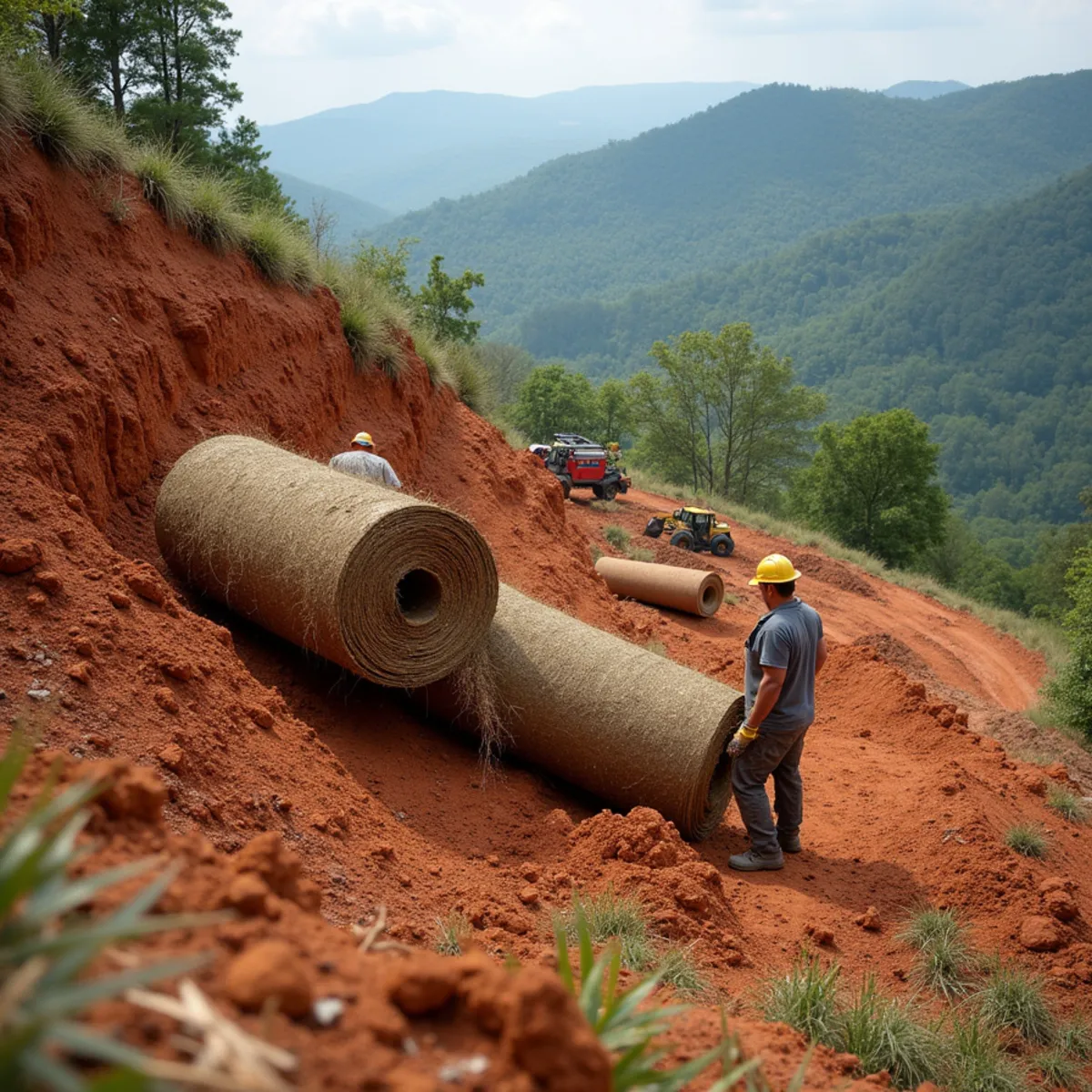
Erosion control blanket, a biodegradable jute or coir netting staked over the slope, protects seed and young root systems during the establishment window, typically the first one to two growing seasons, when the slope is most vulnerable before roots have developed enough mass to hold on their own.
- Erosion control blanket staked over freshly graded or seeded slopes to protect establishment
- Native warm-season grasses like little bluestem for deep, drought-tolerant root mass on sunny slopes
- Native shrubs and ferns for shaded slopes where turf will not establish regardless of erosion control
- Rock check dams at intervals down a steep channel to slow water velocity in stages
- Diverted surface flow above the repair so the same water volume does not simply re-erode the new work
Step 4: Boulder Terracing for the Steepest or Most Severe Slopes
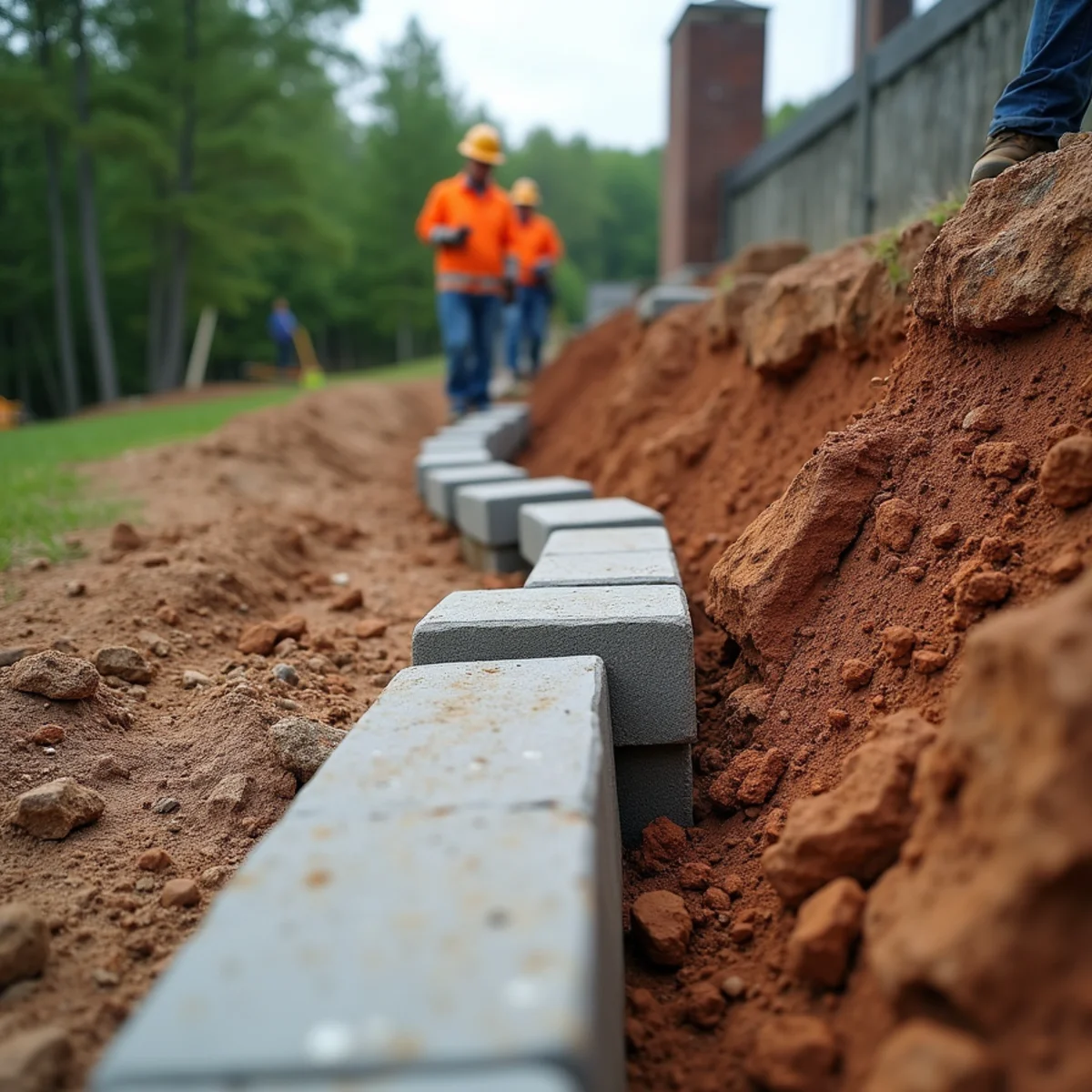
On grades too steep for grading and groundcover alone to hold, generally beyond what a stable angle of repose allows for saturated North Georgia clay, we terrace the slope with boulder retaining walls set in stages, breaking one long unstable face into a series of shorter, structurally supported sections.
Each terrace level reduces the effective height and grade the soil above it has to hold on its own, and the boulder walls themselves add mass and drainage structure that groundcover alone cannot provide on a genuinely severe slope.
We plant the terraces themselves once the structural work is complete, layering native shrubs and groundcover into the terraced beds so the finished result reads as an intentional mountain landscape feature rather than a purely engineered retrofit.
This combined approach, structural terracing plus root-based stabilization, is what we recommend for the most severe erosion cases we see, typically on lots around Cleveland and Tallulah Falls where dramatic elevation change meets thin topsoil over bedrock.
When It Is an Emergency, Not a Landscaping Project
An actively slumping slope, a slope threatening a driveway, foundation, or structure, or a gully that has grown significantly after a single storm event is not a project to schedule for next month. Our emergency hillside washout repair crews respond to exactly these situations, stabilizing the immediate hazard before designing the longer-term fix.
Waiting through another storm cycle on active slope failure rarely improves the situation and often makes the eventual repair larger and more expensive, since each additional rain event removes more supporting soil mass from the slope.
Get a Slope Stabilization Assessment
We diagnose and repair eroding slopes across Clarkesville, Cleveland, and Tallulah Falls, starting with tracing the actual water source rather than patching the visible symptom.
Call (323) 606-0255 for a site walk, especially if the erosion is active or worsening, so we can assess whether it needs emergency stabilization or a scheduled repair.
Frequently Asked Questions
- Rarely on a steep North Georgia slope. Seed needs weeks to establish root mass, and concentrated water will wash it out before it can take hold unless the water source is diverted first and erosion control blanket protects the seed bed.
Get Expert Help on Your North Georgia Property
Kipps Kustom Landscapes has spent 15+ years solving exactly these challenges across the Blue Ridge foothills. Call for a free on-site estimate.
Call (323) 606-0255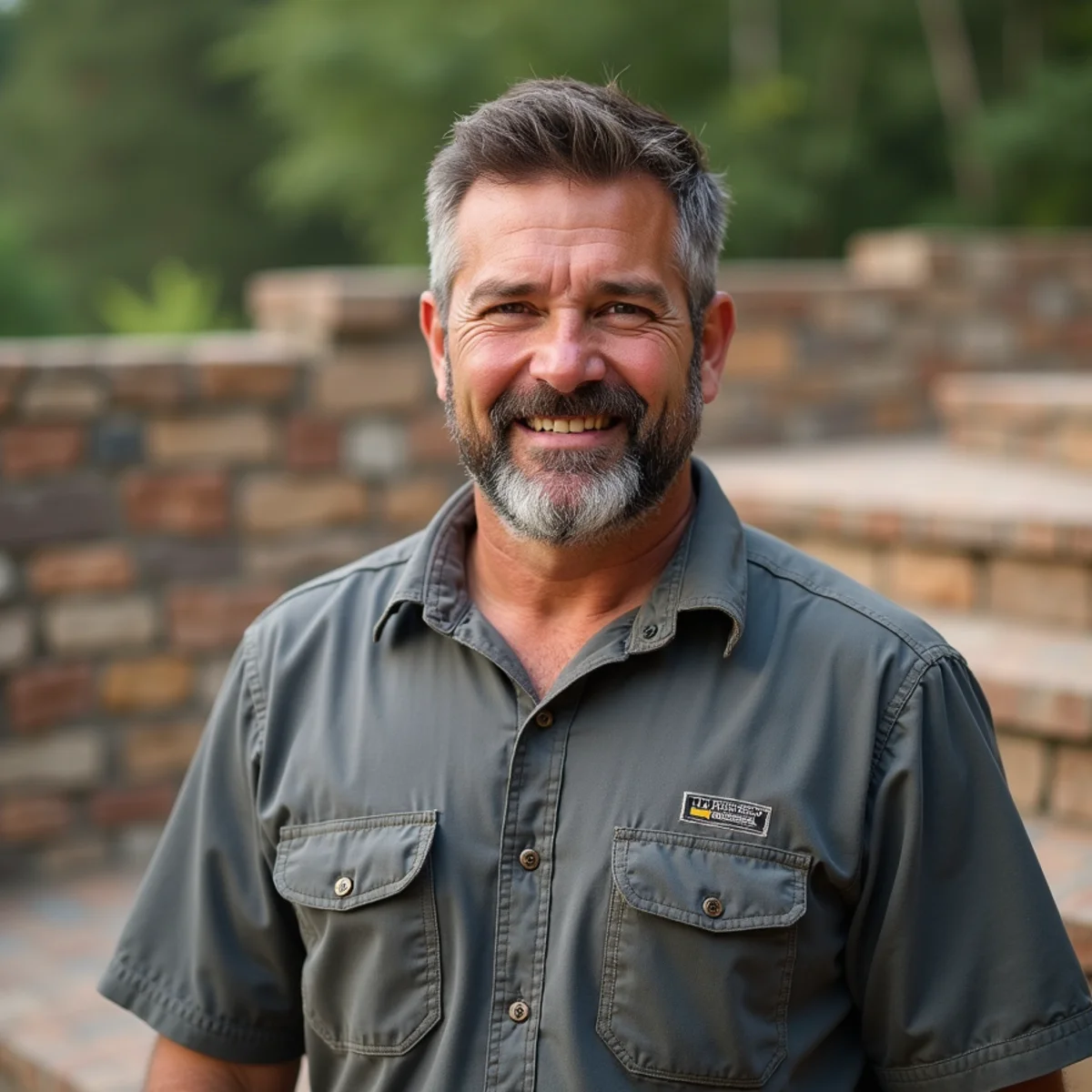
Written by
Hunter Kipps — Owner & Lead Craftsman
Hunter Kipps has spent 15+ years building and repairing mountain and lakefront landscapes across Northeast Georgia — boulder retaining walls, shoreline riprap, red-clay drainage, and estate stonework. He personally runs the heavy equipment and walks every site before quoting it.